
How To
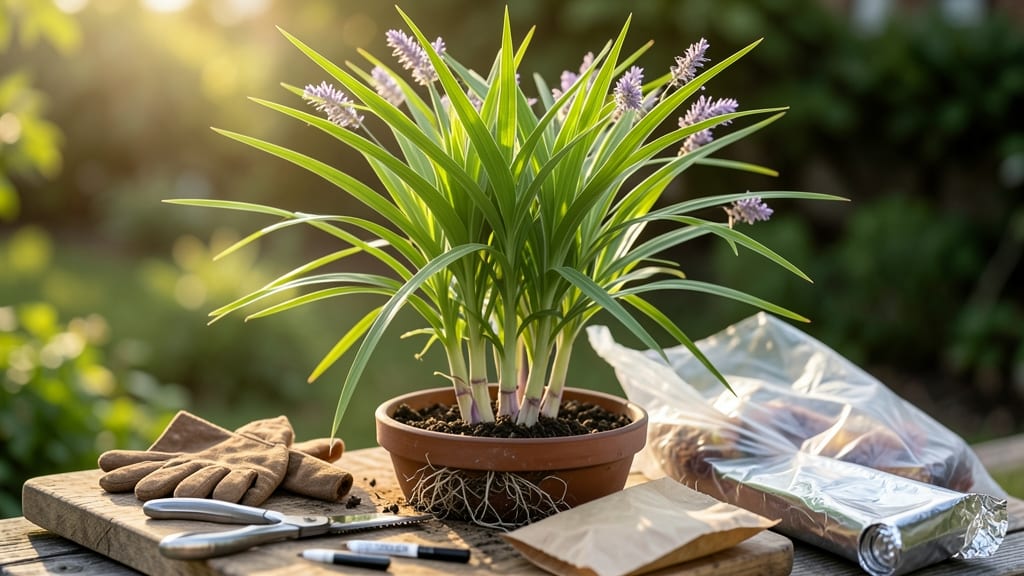
Harvesting and storing lemon grass 🌿 the right way means never running out of that bright, citrusy flavor again—no more wilted stalks or lost potential in your kitchen.
Whether you're a home gardener or urban grower, mastering this simple method will keep your herb fresh for months, ready to elevate curries, teas, or cocktails.
The key to success starts with timing. You'll want to harvest your lemon grass when stalks reach 12-18 inches, but before they become woody or bitter. This window ensures maximum flavor while giving your plant room to regrow.
I'll show you exactly how to identify the perfect stalks and cut them without damaging your plant.
Once harvested, the real game-changer is proper storage. The cut-and-freeze method preserves lemon grass better than any other technique, locking in that signature aroma for up to 6 months.
I'll walk you through every step—from cleaning and trimming to portioning and freezing—so you can pull out perfectly preserved lemon grass whenever you need it.
Ready to transform your harvest from fresh to long-lasting? Let's dive into the exact techniques that'll keep your lemon grass tasting like it was just plucked from the garden—no matter how much time passes.
When and how to harvest lemon grass for maximum flavor and longevity
Timing is everything when harvesting lemon grass. The best time to harvest is when the outer stalks reach 12-18 inches tall, with bright green leaves and a strong lemony aroma when crushed.
This usually happens 60-90 days after planting, but don’t rush—wait until the stalks are fully mature for the most potent flavor.
Use a sharp knife or pruning shears to cut the stalks at the base, about 1-2 inches above the soil. This encourages new growth from the inner stalks, giving you a continuous harvest throughout the growing season.
Always leave at least 3-4 inner stalks to keep the plant healthy and productive.
Harvesting in the morning is ideal because the essential oils are most concentrated. Avoid harvesting after heavy rain or when the soil is waterlogged, as this can dilute the flavor and make the stalks mushy.
If you’re growing lemon grass in containers, ensure the pot has good drainage to prevent root rot and maintain flavor potency.
Never harvest more than one-third of the stalks at a time. Over-harvesting weakens the plant, reduces future yields, and can even kill it. If you see yellowing leaves or stunted growth, you’ve likely harvested too aggressively.
Give your plant time to recover—it’s a perennial, so proper care ensures it thrives for years.
Seasonal timing matters too. In USDA Zone 6a, harvest from late spring to early fall (April through October). In warmer climates, you can harvest year-round, but growth slows in winter months. Always check the lemon scent and leaf color before cutting—these are your best indicators of readiness.
After harvesting, trim off the tough lower inch of each stalk, as it’s fibrous and less flavorful. The tender upper portion is where the citrusy essence lives.
Store the trimmed stalks immediately to preserve their aroma and freshness. If you’re not using them right away, proceed to the cut-and-freeze method for long-term storage.
Step-by-Step Harvesting Guide
- Identify mature stalks: Wait until stalks reach 12-18 inches with bright green leaves and a lemony scent.
- Use sharp tools: Cut stalks at the base with a clean knife or shears.
- Leave inner stalks: Never remove more than one-third of the plant at once.
- Trim fibrous bases: Remove the lower 1 inch of each stalk before storage.
- Harvest in the morning: Essential oils are most potent after sunrise.
Proper harvesting isn’t just about yield—it’s about plant longevity. A well-maintained lemon grass plant can produce harvests for 3-5 years if cared for correctly. After each harvest, water deeply and apply a light fertilizer (like 5-10-10 NPK) to encourage regrowth.
Avoid overwatering, as soggy soil leads to root rot and weak stalks.
If you’re growing lemon grass in containers, rotate the pot every few weeks to ensure even sunlight exposure. This prevents the plant from leaning and ensures all stalks grow straight and strong.
Container-grown lemon grass also makes it easier to move indoors during cold snaps, protecting it from frost damage.
For urban gardeners with limited space, prioritize smaller pots (12-18 inches wide) but ensure they have drainage holes. Lemon grass doesn’t like soggy feet, so well-draining soil is a must.
Mix in compost at planting time to give your plant a nutrient boost for stronger, more flavorful stalks.
Remember, the key to great lemon grass is patience and consistency. Harvest regularly but thoughtfully, and your plant will reward you with abundant, aromatic stalks all season long. Now that you’ve mastered harvesting, let’s dive into the cut-and-freeze method to keep your lemon grass fresh for months.
Step-by-step cut-and-freeze method to preserve lemon grass freshness
Freezing lemon grass is the gold standard for preserving its bold citrus flavor and aromatic oils. Unlike drying, freezing locks in freshness for up to 6 months, making it perfect for soups, teas, or marinades. The key? Proper prep and portioning to avoid freezer burn or soggy textures.
Start by selecting mature stalks (12–18 inches tall) with bright green leaves and a strong lemon scent. Trim off the tough lower inch of each stalk—this is the fibrous base most people discard.
Save it for stocks or compost! Then, rinse the stalks under cool water to remove dirt, but pat them thoroughly dry with a towel.
Place the trimmed stalks in a single layer on a parchment-lined tray. Freeze for 1–2 hours until firm—this prevents clumping. Transfer the frozen sections to airtight containers or freezer bags, squeezing out excess air. Label with the date (they last 6 months at 0°F or below).
For ice cube trays, blend frozen stalks with water or oil (1 stalk + 2 tbsp liquid per cube). Freeze, then pop out and store in a ziplock bag. These cubes are perfect for one-step cooking—just toss a cube into simmering dishes!
When ready to use, thaw overnight in the fridge or add frozen directly to hot recipes (like curries or broths). Avoid microwaving—it dulls the aromatic oils. If using in cold dishes (e.g., salads), finely mince the thawed grass for a subtle citrus kick.
This method beats drying for flavor retention and refrigeration for longevity. Plus, you’ll always have fresh-tasting lemon grass on hand, even in winter! 🌿