
Pests
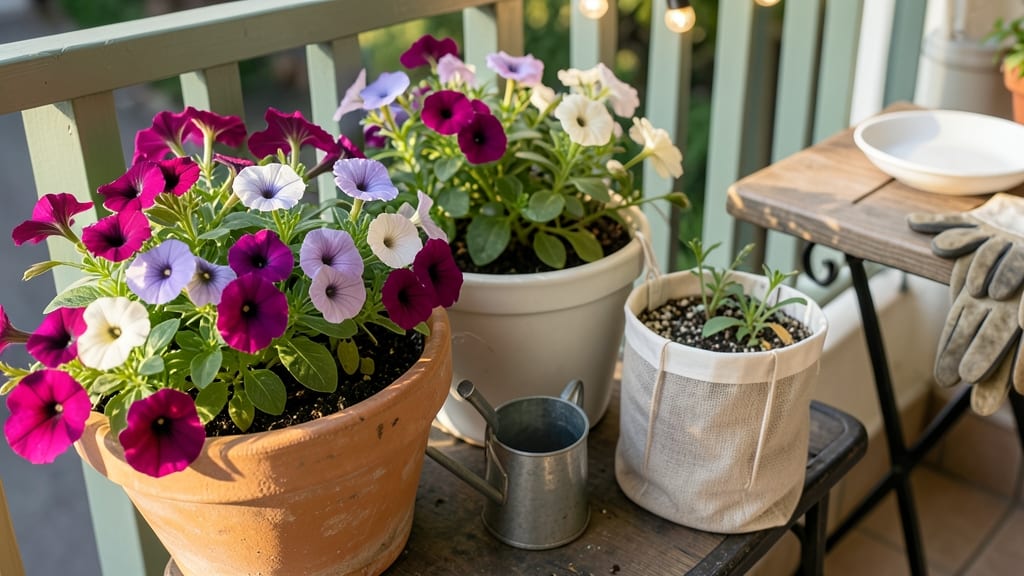
Petunias are vibrant, low-maintenance favorites—but even the hardiest can wilt without the right care. These 10 proven tips will help you keep your petunias thriving, blooming prolifically, and surviving heat, pests, and seasonal changes like a pro.
Perfect Sunlight Exposure for Petunia Growth
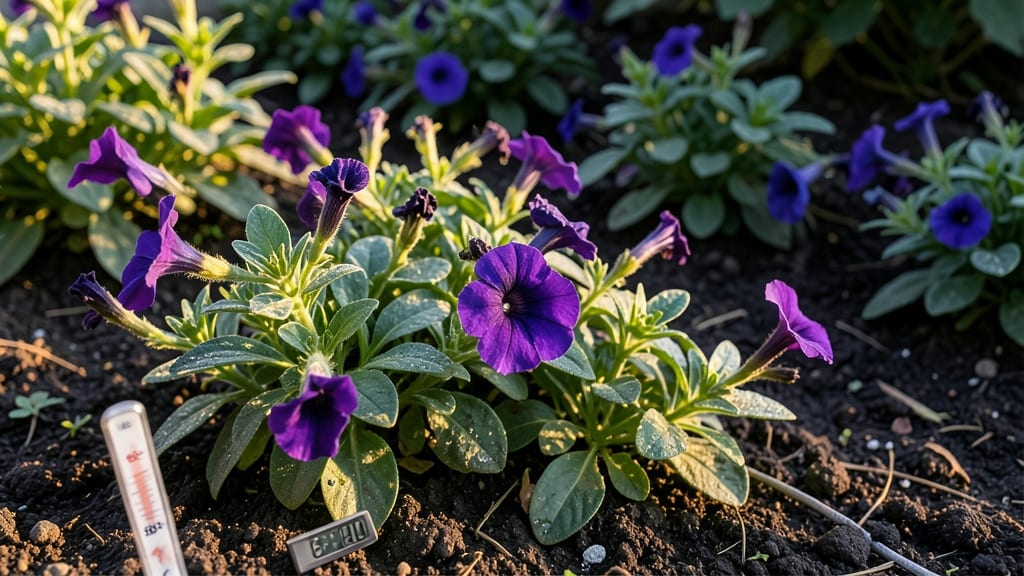
Struggling with petunias that refuse to bloom? Sunlight placement is the secret weapon—too little shade and your flowers stay stubbornly closed, while harsh afternoon rays can turn leaves crispy before you blink. The sweet spot? 6 hours of morning sun paired with afternoon shade (especially in hot climates).
For garden beds, position petunias where they receive morning sunlight and partial afternoon shade from nearby structures or taller plants. If growing in containers, move them to a shadier spot by midday. Light-colored mulch around the base reflects excess heat, while drip irrigation keeps roots cool. Varieties like 'Wave' petunias handle more sun, but all benefit from this balanced approach.
This simple adjustment transforms lackluster growth into vibrant, long-lasting blooms—perfect for beginners or busy gardeners who want foolproof results. 🌻
Watering Schedule That Prevents Root Rot
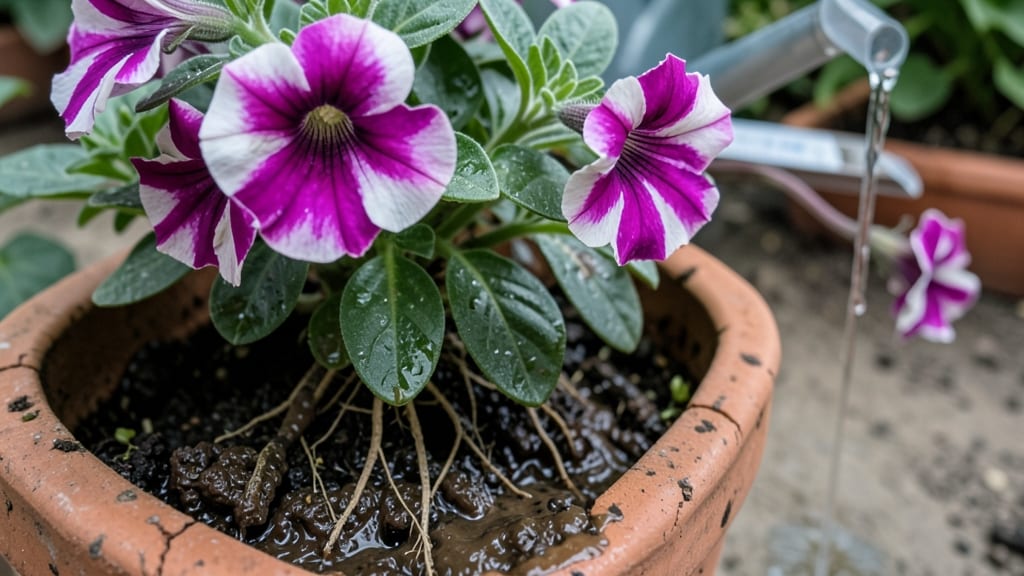
Petunias may love bright blooms, but their roots despise soggy soil—overwatering is their silent killer. Unlike drought, which causes wilting, too much moisture suffocates roots, leading to root rot and plant collapse within days. The key is a balanced approach that keeps roots hydrated without drowning them.
Water your petunias early in the morning when evaporation rates are low, aiming for 1-1.5 inches of water per week (including rainfall). Use your finger to check soil moisture—if the top 1-2 inches feel dry, it’s time to water. For containers, ensure drainage holes are present and water until it flows freely from the bottom. Drip irrigation or soaker hoses deliver water directly to roots without wetting foliage, reducing disease risk.
This schedule works best for gardeners in hot, dry climates or those with heavy clay soil where drainage is poor. Even a slight adjustment in timing and method can transform struggling petunias into thriving plants. 💚
Soil Mix Secrets for Stronger Petunia Roots
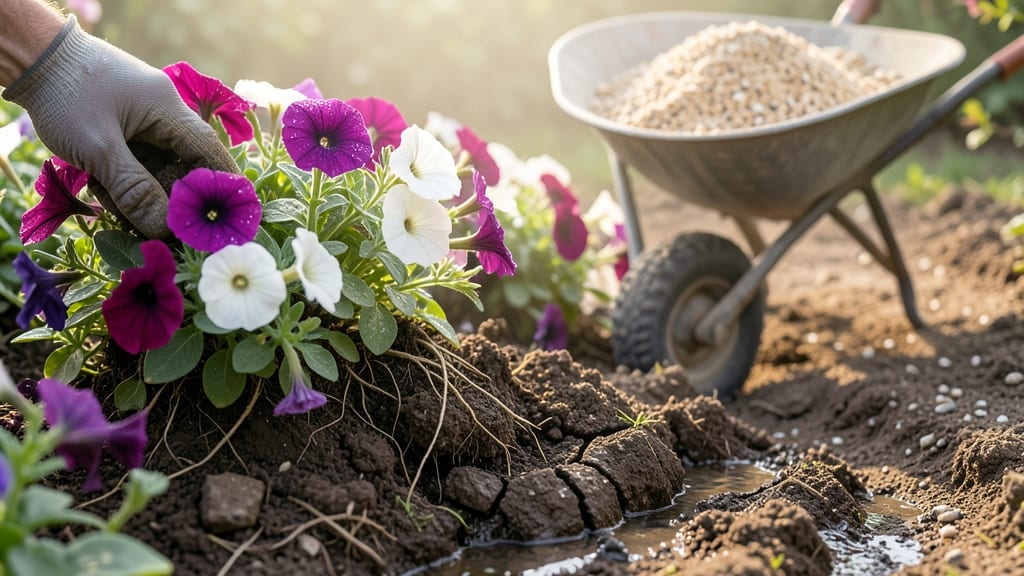
Your petunias might look stunning but struggle to stay healthy because their roots are suffocating in heavy, compacted soil. The key to long-lasting blooms lies in a lightweight, airy mix that drains excess water while delivering nutrients—preventing both root rot and nutrient starvation.
Start with 50% high-quality potting soil (not garden dirt) as your base, then blend in 30% perlite or vermiculite for aeration and 20% compost or worm castings for slow-release nutrients. This ratio mimics petunias’ natural preference for well-draining, fertile conditions. For containers, add a handful of sand or coconut coir to improve drainage further—petunias despise soggy roots!
This soil mix is especially game-changing for urban gardeners with limited space or those who’ve struggled with petunias dying mid-season. With the right foundation, your plants will focus energy on blooms instead of fighting for survival. 🌱
Deadheading Blooms to Encourage More Flowers
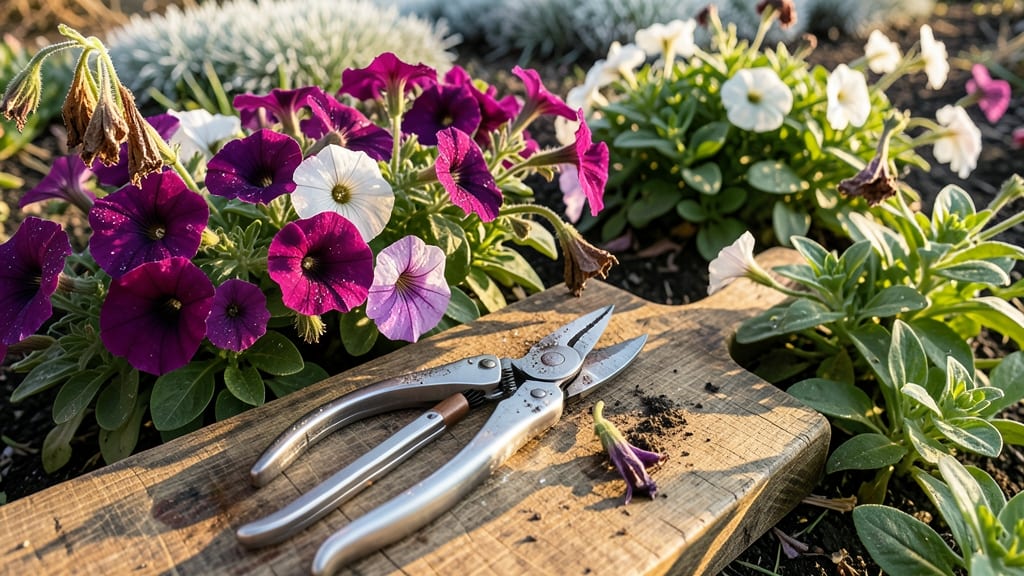
Your petunias are putting all their energy into seed production instead of blooms—and that’s a waste! Deadheading (removing spent flowers) tricks your plants into focusing on new blooms instead, extending their show until first frost.
Use clean pruners or pinch off faded blooms with your fingers just above the next set of leaves. Do this every 2-3 days during peak bloom season (late spring to summer), and you’ll see fresh buds forming within days. This simple step also improves air circulation, reducing disease risk.
Perfect for busy gardeners, deadheading takes just minutes but delivers nonstop color all season. Start today, and enjoy petunias that look like they’re on their best behavior! 🌻
Fertilizer Routine for Nonstop Blooming Petunias
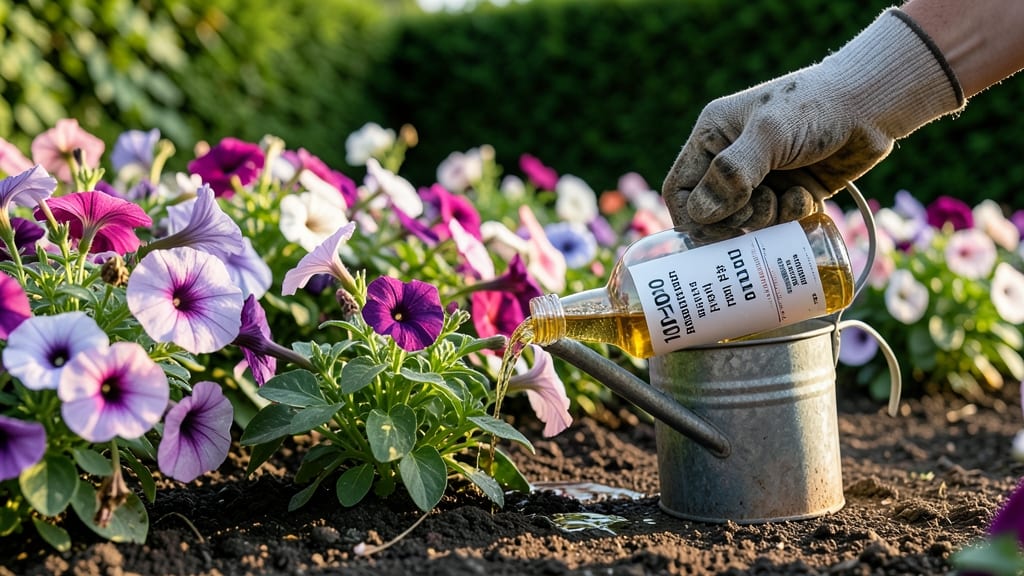
Petunias throw a nonstop floral show—but only if you feed them the right way. Most gardeners overlook the fact that timing and nutrient balance are everything for continuous blooms, not just throwing fertilizer on them randomly.
Start with a balanced liquid fertilizer (10-10-10) at planting, then switch to a high-phosphorus formula (5-10-5) when buds form to encourage blooming. Feed every two weeks during active growth, but cut back to monthly in extreme heat. For year-round blooms, use a slow-release granular fertilizer in spring and a diluted fish emulsion in late summer to boost energy without burning roots.
This routine works best for container gardeners and urban balconies where soil nutrients deplete faster. With the right timing, your petunias will reward you with bigger, brighter blooms all season. ✨
Pest Control Without Harming Petunias
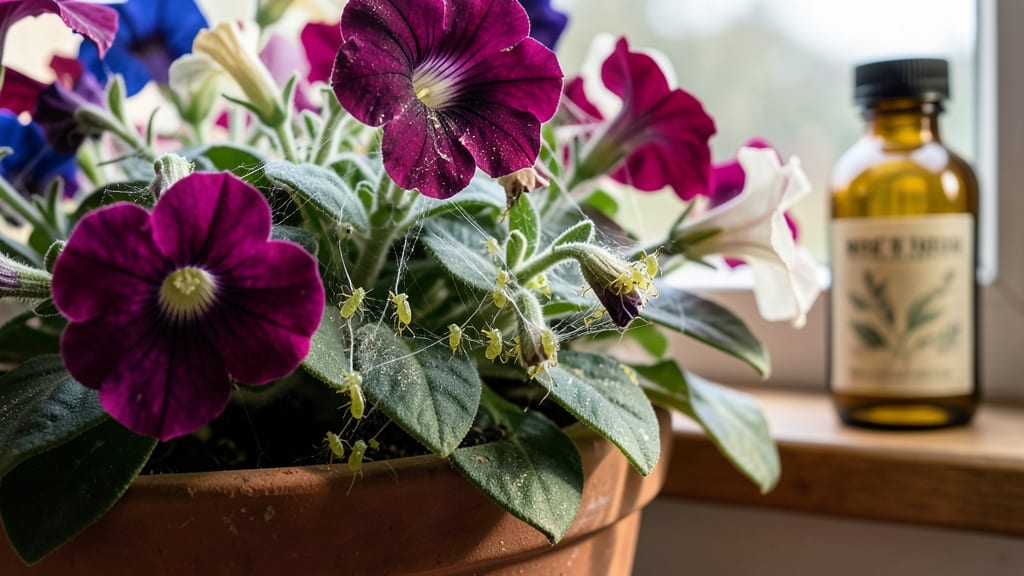
See those tiny clusters of aphids or webbing on your petunias? They’re not just unsightly—they’re sucking the life out of your plants. The good news? You don’t need harsh chemicals to banish them. Neem oil (a natural insecticide) disrupts pests’ life cycles while being safe for petunias when used correctly—just mix 1 tablespoon with a quart of water and spray leaves thoroughly every 5-7 days.
For spider mites, a strong blast of water from the hose (early in the morning) washes them away instantly. Add a few drops of dish soap to water for extra effectiveness—it breaks down their protective webbing. Companion planting with marigolds or basil also deters pests naturally by confusing their scent trails. These methods keep your petunias thriving without toxic residues. 💚
Pruning Techniques to Revive Leggy Petunias
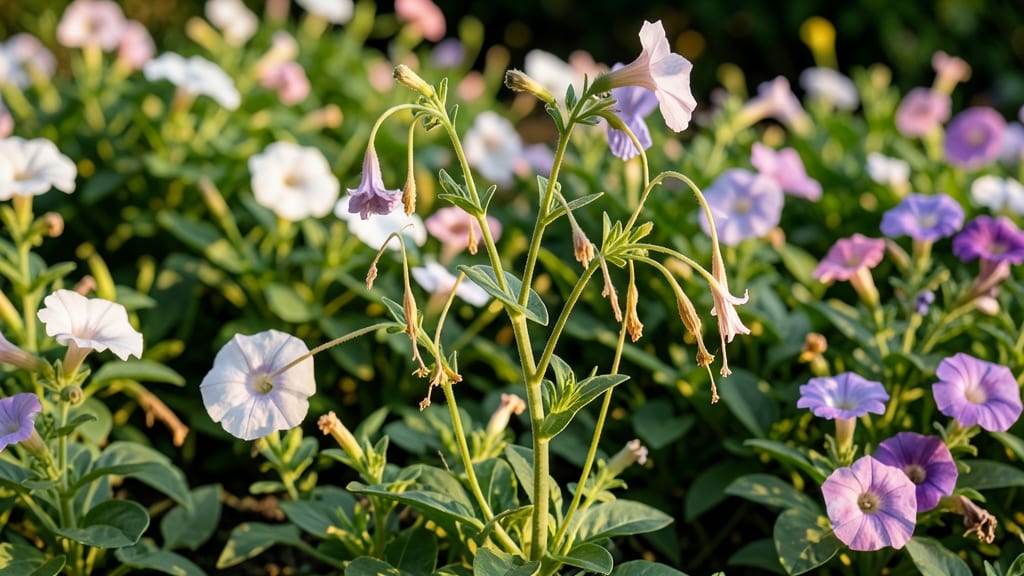
When your petunias stretch tall and leggy, they’re not just looking awkward—they’re signaling wasted energy. Instead of compact blooms, they’re focusing on reaching for light, leaving you with sparse flowers and floppy stems. The fix? Strategic pruning that trims excess growth while encouraging bushier, fuller plants.
Start by cutting back leggy stems to just above a set of leaves, using clean pruners or your fingers. Focus on the outermost growth to open up the plant’s center for better airflow and sunlight penetration. Repeat every 2-3 weeks during the growing season, and you’ll see new side shoots forming within days. For severely overgrown plants, give them a harder prune (cutting back by half) to reset their shape.
This technique works wonders for container petunias or those in crowded garden beds, giving them a second chance to bloom beautifully. Perfect for gardeners who want to revive tired plants without starting over! ✨
Protecting Petunias from Extreme Heat
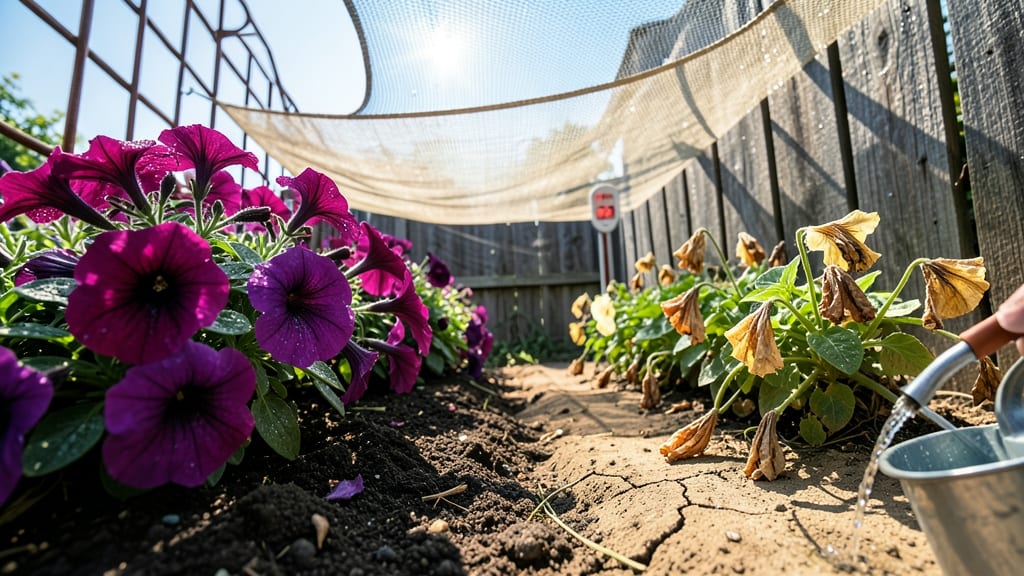
When temperatures soar above 90°F (32°C), your petunias can go from lush to lifeless in days—but these heat-defense strategies keep them thriving. The key is strategic shade and smart hydration to prevent wilting and leaf scorch. Unlike other summer plants, petunias can’t handle midday sun without protection, even in well-drained soil.
Start by providing 30-50% shade during peak afternoon heat using lightweight shade cloth (30-40% coverage) or placing them under dappled shade from trees. For containers, move them to elevated surfaces like trellises or hanging baskets to improve airflow. Water deeply in the morning (1-2 inches per week) and mulch with straw or wood chips to retain moisture. A quick foliar spray with water in the evening mimics morning dew, cooling leaves instantly.
These tricks are especially helpful for urban gardeners or those in hot climates—petunias will reward you with bold, continuous blooms even when others fade. 💚
Winterizing Petunias for Next Year’s Growth
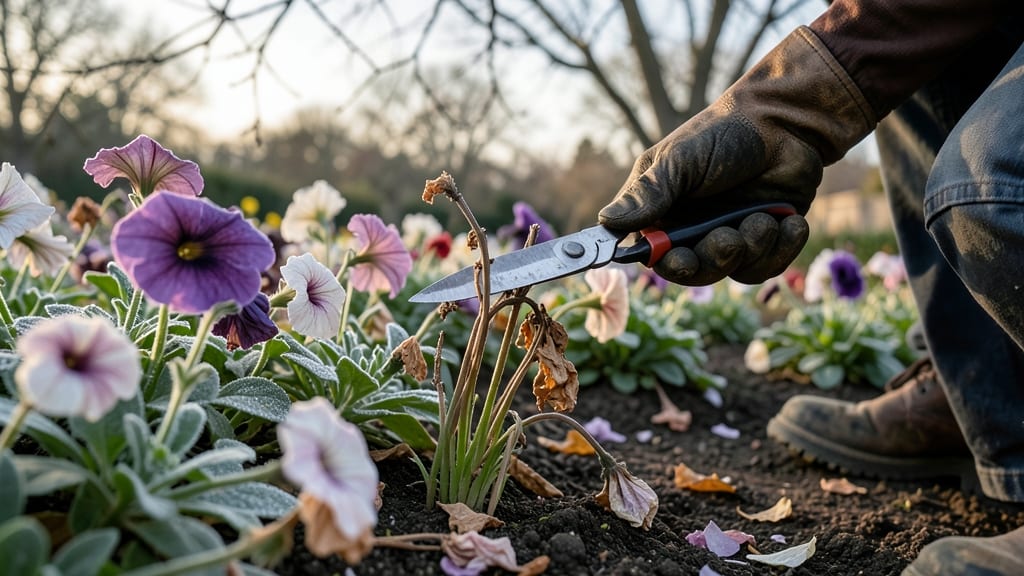
Don’t let frost turn your petunias into winter casualties—this simple late-season care routine ensures they bounce back stronger next spring. With just 15 minutes of effort now, you’ll skip the spring replanting hassle and enjoy earlier, more vigorous blooms in just weeks.
Start by cutting back dead or damaged stems to 3-4 inches above the soil, then mulch heavily with straw or shredded leaves to insulate roots. For container petunias, wrap pots in bubble wrap or move them to a sheltered spot before temperatures drop below 30°F. This protection prevents root freeze and jumpstarts growth when warmer weather returns.
Perfect for gardeners in USDA Zones 7-10 (or cooler areas with winter protection), this method transforms next year’s petunias into showstopping performers. Your future self will thank you! 🌱
Container Gardening Tips for Petunias

Balcony or patio gardening doesn’t mean sacrificing petunia perfection—these container-specific hacks make it easy. Petunias in pots need extra attention to drainage, airflow, and root space to prevent the common issues of wilting or stunted growth that plague small-space gardeners.
Start with containers that have drainage holes (terracotta pots work best) and fill them with a lightweight, fast-draining mix—think 60% potting soil, 30% perlite, and 10% compost. Place trailing varieties in hanging baskets with 3-4 inches of depth to accommodate their sprawling roots, while bush types thrive in 12-inch-wide pots. Feed them with a balanced liquid fertilizer every 2 weeks, and water at the base (not overhead) to avoid fungal issues. Rotate containers weekly to ensure even sunlight exposure.
These tricks turn even the tiniest balconies into a petunia paradise, perfect for renters, urban dwellers, or anyone short on ground space. With the right setup, your containers will burst with color all season long! 🌷