
Companion Plants
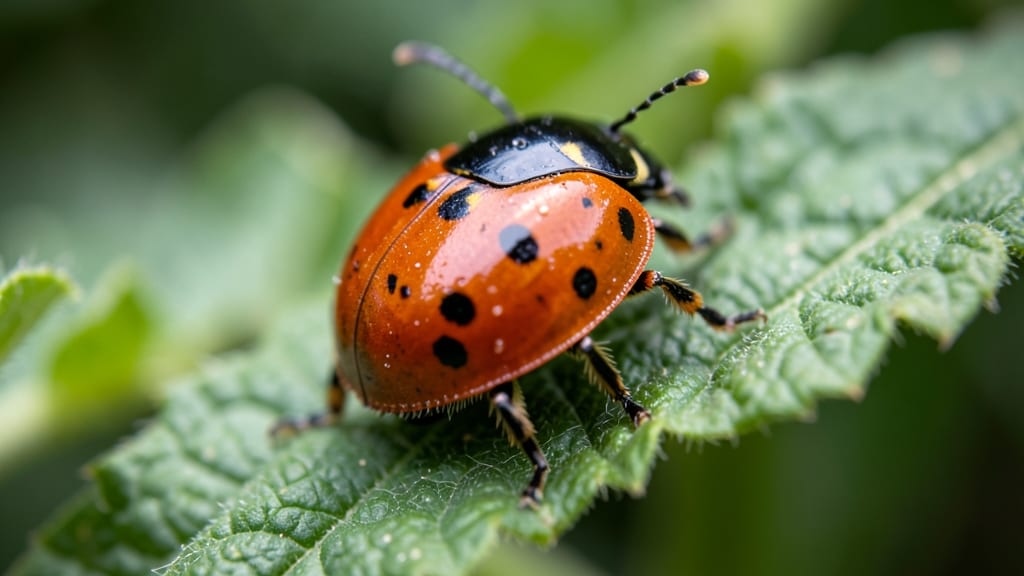
How to keep bugs off my tomato plants—your tomato plants looked like a five-course meal to every bug in the county—until I discovered these instant natural barriers. 🌱 The key isn't fighting pests; it's outsmarting them with simple, chemical-free tricks that work within hours, not weeks.
Companion planting with basil or marigolds confuses pests naturally, while neem oil spray creates a protective shield that deters aphids and hornworms on contact. The best part? These methods keep your tomatoes safe for eating while supporting the garden ecosystem.
By combining physical barriers like row covers with strategic plant placement, you'll see fewer chewed leaves and more vibrant, productive plants within days. The secret is layering defenses—no single trick works alone, but together, they create an impenetrable fortress.
Works for backyard gardens, containers, or even patio pots—no special equipment needed. Let's turn your tomato plants into a bug-free zone without harsh chemicals.
Root Causes of Tomato Plant Pests
If you’ve ever gazed at your lush tomato plants only to spot tiny invaders munching away, you’re not alone. 🌱🐛 Understanding why these pests show up is the first step to stopping them in their tracks.
Bugs don’t attack tomatoes randomly—they’re drawn by specific conditions in your garden. Below, we break down the science behind the most common culprits and what triggers their unwelcome visits.
Tomatoes thrive when they have space to breathe, but when plants are packed too closely together, they become stressed. This stress manifests in several ways that attract pests:
- Reduced airflow: Dense foliage creates humid microclimates, perfect for soft-bodied insects like aphids and whiteflies, which love moisture. Poor airflow also slows drying between waterings, leaving leaves damp longer—an open invitation for fungal diseases that also attract pests like spider mites.
- Nutrient competition: Overcrowded plants compete for water and nutrients, weakening their natural defenses. Weak plants produce less tomatin (a natural pesticide in tomato leaves), making them easier targets for hornworms and flea beetles.
- Physical damage: Branches rubbing together or leaves brushing the soil can create entry points for pests. For example, Tuta absoluta (the tomato leafminer) lays eggs on damaged leaves, and the larvae burrow inside, ruining your harvest.
Actionable insight: Aim for 18–24 inches of spacing between tomato plants. If you’re growing in containers, ensure pots are large enough (at least 5 gallons per plant) to reduce stress.
Pests don’t just appear—they hitchhike or emerge from hidden reservoirs in your garden. Neglecting cleanliness creates a buffet for bugs:
- Debris and mulch buildup: Old plant material, fallen leaves, and thick mulch layers provide shelter for overwintering pests like Colorado potato beetles or cutworms. Even "natural" mulch can trap moisture, encouraging fungal gnats and slugs.
- Weeds as pest hotels: Weeds like nightshade or purslane harbor aphids, whiteflies, and other tomato pests. These insects then migrate to your tomato plants, especially during dry spells when food sources dwindle.
- Infested soil: Larvae from beetles, flies, and even nematodes lie dormant in the soil until tomatoes take root. For instance, root-knot nematodes thrive in warm, moist soil and attack tomato roots, stunting growth and attracting secondary pests like thrips.
Actionable insight: Clear garden beds of weeds and debris before planting. Use a soil solarization method (covering soil with clear plastic for 4–6 weeks) to kill nematodes and larvae before the growing season.
Tomatoes are heavy feeders, and when soil lacks balance, it sends out distress signals that pests detect. Here’s how chemistry plays a role:
| Imbalance | Pest Attraction | Why It Happens |
|---|---|---|
| High nitrogen (N) | Aphids, whiteflies, and spider mites | Excess nitrogen promotes tender, sap-rich leaves—aphids’ favorite snack. It also weakens plant cell walls, making them easier for mites to pierce. |
| Low potassium (K) | Flea beetles, hornworms | Potassium strengthens cell membranes. Without it, tomatoes become more susceptible to damage, and pests like flea beetles target stressed plants. |
| Compacted or waterlogged soil | Cutworms, slugs, fungal gnats | Poor drainage creates anaerobic conditions, attracting pests that thrive in damp environments. Compacted soil also limits root growth, making plants more vulnerable. |
Actionable insight: Test your soil before planting (pH should be 6.0–6.8 for tomatoes). Amend with compost to balance nutrients, and avoid synthetic fertilizers high in nitrogen. A light application of wood ash (for potassium) or kelp meal can help.
Tomatoes emit volatile organic compounds (VOCs) that can either repel or attract pests, depending on the plant’s health and stage. Here’s how scent becomes a pest magnet:
- Floral scents: When tomatoes bloom, their sweet fragrance attracts pollinators—but also beneficial insects like ladybugs. However, it also lures hornworms, which are drawn to the scent of tomato flowers. A single hornworm can defoliate a plant in days!
- Damaged leaf signals: When tomato leaves are chewed, they release chemicals like jasmonic acid, which attracts more pests. For example, aphids release a sticky honeydew that further entices ants, which "farm" the aphids for their sweet secretions.
- Companion plant confusion: While some plants (like basil or marigolds) repel pests, others (like dill or fennel) attract beneficial insects that may also prey on your tomatoes. Poor planning can turn allies into allies of your pests.
Actionable insight: Prune tomato plants to remove heavily damaged leaves (dispose of them far from the garden). Use intercropping wisely—plant basil near tomatoes to mask floral scents, but avoid planting dill nearby if you’ve had flea beetle issues.
By addressing these root causes, you’re not just treating symptoms—you’re cutting off the pest lifecycle at its source. Next, we’ll explore natural barriers to keep these unwelcome guests away for good.
Quick Fixes for Common Tomato Plant Pests
Now that you know what’s munching on your tomatoes, let’s tackle those pests with easy, natural solutions—no harsh chemicals required! Below, we’ve mapped the most common culprits to their fixes, plus prevention tips to keep your plants thriving.
Signs: Large green caterpillars with white stripes, skeletonized leaves, or missing tomato fruits. Fix:
- 🔥 Handpick them early—Grab them (gloves optional) and drop them in soapy water. Check plants daily at dawn or dusk when they’re sluggish.
- 🐝 Invite their predators: Ladybugs, parasitic wasps, and birds love hornworms. Plant dill, fennel, or basil nearby to attract them.
- 🌿 Spray neem oil: Mix 1 tbsp neem oil + 1 tsp mild soap in 1 quart of water. Spray leaves thoroughly (avoid blooms). Reapply every 5–7 days.
💡 Prevention Tip: Interplant with borage—its strong scent repels hornworms while attracting pollinators.
Signs: Sticky residue (honeydew), curled leaves, or tiny green/black clusters on stems. Fix:
- 🍳 Blast them off: Use a strong spray of water (like a hose nozzle) to knock them off. Repeat every 2–3 days.
- 👨🍳 Homemade soap spray: Combine 1 tbsp castile soap + 1 quart water. Spray directly on aphids (test on a small leaf first).
- 🌿 Introduce ladybugs: Buy them online or attract them with marigolds, yarrow, or cosmos.
💡 Prevention Tip: Plant garlic or chives nearby—their scent deters aphids naturally.
Signs: Fine webbing on leaves, yellow stippling, or leaves that look dusty. Fix:
- 🌡️ Increase humidity: Spider mites thrive in dry conditions. Use a mist bottle to dampen leaves daily (early morning).
- 🔪 Neem oil or insecticidal soap: Spray undersides of leaves where mites hide. Repeat every 4–5 days.
- 🐍 Release predatory mites: Tiny phytoseiulus persimilis mites eat spider mites—order them online for severe infestations.
💡 Prevention Tip: Mulch with straw to retain moisture and discourage mites.
Signs: Tiny white moth-like insects swarming when you disturb plants, sticky honeydew, or black sooty mold. Fix:
- ⏰ Yellow sticky traps: Hang yellow cards coated with petroleum jelly near plants to trap adults.
- 🍳 Yellow soap spray: Mix 1 tbsp yellow dish soap + 1 quart water. Spray undersides of leaves where they hide.
- 🌿 Plant trap crops: Sweet alyssum or nasturtiums lure whiteflies away from tomatoes.
💡 Prevention Tip: Avoid over-fertilizing with nitrogen—whiteflies love lush, soft new growth.
Signs: Bright orange/red beetles or larvae (striped caterpillars) devouring foliage. Fix:
- 🔪 Handpick adults and larvae—Drop them in soapy water. Check undersides of leaves daily.
- 🌿 Row covers: Use floating row fabric early in the season to block adults from laying eggs.
- 🌿 Plant trap crops: Mustard or radishes attract them away from tomatoes.
💡 Prevention Tip: Rotate crops—don’t plant tomatoes or potatoes in the same spot yearly.
Signs: Tomato stems suddenly snapped at ground level, or small loops of frass (droppings) near the base. Fix: - 🔪 Collar stems with cardboard (3–4 inches high) or plastic collars to block cutworms from climbing. - 🌿 Encourage birds: They love cutworms!
Add a birdbath to attract feathered helpers. - 🌿 Plant thyme or mint nearby—its scent repels them.
💡 Prevention Tip: Water in the morning—cutworms hide during the day and come out at night to feed.
No matter the pest, these proactive steps reduce future problems:
- 🌱 Companion planting: Pair tomatoes with basil, marigolds, onions, or garlic to confuse pests.
- 🌿 Healthy soil = strong plants: Use compost and worm castings to boost plant resilience.
- 🌿 Crop rotation: Avoid planting tomatoes in the same spot for 3+ years.
- 🌿 Prune regularly: Remove damaged or diseased leaves to prevent pest spread.
✨ Bonus Tip: Healthy plants fight pests better! Overwatering or over-fertilizing stresses tomatoes, making them more vulnerable. Water at the base (not leaves) and balance nutrients for tougher foliage.
Frequently asked questions
What’s the fastest way to stop hornworms from destroying my tomato plants?
Handpick them at dawn or dusk when they’re sluggish—drop them in soapy water. For immediate protection, spray with a neem oil mix (1 tbsp neem + 1 tsp soap in 1 quart water) every 5-7 days. Plant borage or basil nearby to repel them naturally while attracting beneficial predators like ladybugs.
Can I use coffee grounds to keep bugs away from my tomato plants?
Yes! Sprinkle used coffee grounds around the base of your plants—the caffeine acts as a natural pesticide while improving soil. Mix them into mulch or create a barrier 2-3 inches wide. Just avoid overdoing it (1-2 cups per plant weekly) as too much can make soil acidic. Works best against aphids, slugs, and ants.
How do I know if my tomato plants have spider mites instead of regular bugs?
Check for fine webbing on leaves (especially undersides) and tiny yellow stipples on foliage. Unlike larger pests, spider mites are nearly invisible to the naked eye—use a magnifying glass. They thrive in dry conditions, so increase humidity with morning misting if you suspect them. Early signs include leaves turning pale or bronze.
Will row covers work for all tomato pests?
Row covers block flying insects like whiteflies and beetles effectively, but they won’t stop cutworms or hornworms that crawl from the soil. For comprehensive protection, combine covers with cardboard collars around stems (to block cutworms) and handpick caterpillars. Remove covers during pollination (if using lightweight fabric) to allow bees access.
Is it too late to save my tomato plants if they’re already heavily infested?
Not necessarily! Start with a soapy water spray (1 tbsp mild soap per gallon) to knock off existing pests immediately. Prune heavily damaged leaves and dispose of them far from your garden. Apply neem oil and introduce beneficial insects (like ladybugs) to restore balance. For severe cases, consider replanting next season with companion plants and better spacing.