
Pests
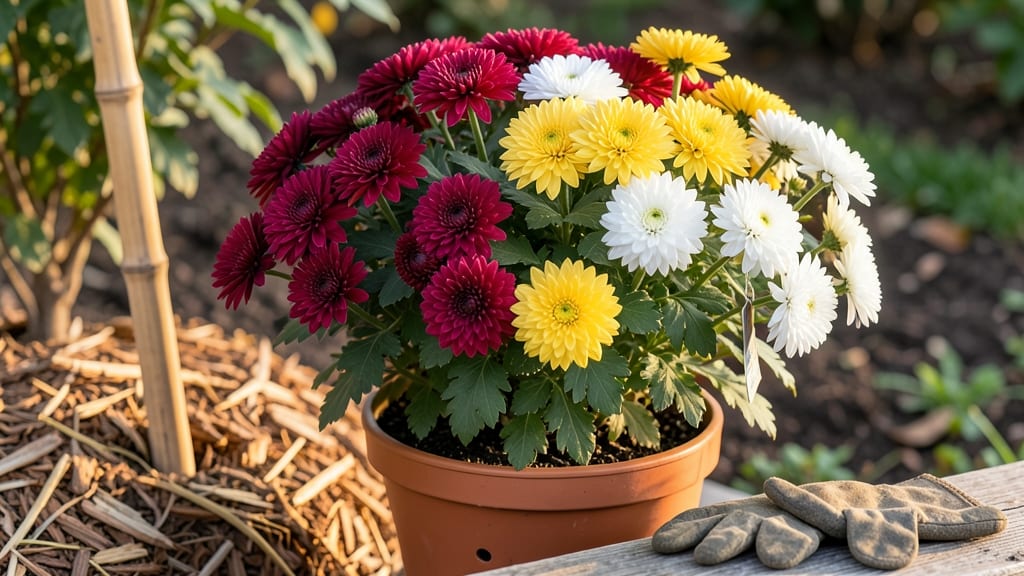
How to keep mums alive and thriving is easier than you think with these four simple secrets. 🌼 I've nursed back more wilted chrysanthemums than I care to admit, and the key always comes down to water, light, and timing—none of which require a green thumb. The biggest mistake? Letting them dry out completely after blooming. Once flowers fade, cut stems back to 3-4 inches and keep soil consistently moist (not soggy) until fall. A balanced fertilizer every 4-6 weeks keeps roots strong, and mulch locks in moisture during summer's worst heat waves. By late summer, you'll see fresh growth—proof the plant's not finished. With proper care, these same mums will reward you with fall color again next year, plus lush foliage that adds texture to winter gardens. The secret's in the patience. Works for both garden beds and containers. Here's how to make them last through every season—no black thumb required.
📚 In This Guide
- What you need
- Instructions
- Tips and common mistakes
- Wrapping up and next steps
What you need
- ● Mums (Hemerocallis): Choose hardy varieties like 'Autumn Embers' or 'Prosperity' for drought tolerance.
- ● Well-draining soil: Mix 1 part potting soil with 1 part perlite or coarse sand (5 gallons total for a 12-inch pot).
- ● Organic mulch: 2–3 inches of shredded bark, straw, or wood chips (retains moisture).
- ● Slow-release fertilizer: 10-10-10 NPK (1 tbsp per plant, applied at planting).
- ● Drip irrigation or soaker hose: 1–2 feet of tubing (for deep watering).
- ● Garden trowel or small shovel (for transplanting).
- ● Watering can or hose with adjustable nozzle (for precision).
- ● Pruning shears (to trim dead foliage or spent blooms).
- ○ pH test kit (optional): Aim for 6.0–7.0 (mums prefer slightly acidic to neutral soil).
- ○ Compost or worm castings (optional): ½ cup mixed into soil for extra nutrients.
- ● Choose a sunny spot (6+ hours of light daily).
- ● Ensure good air circulation (space plants 12–18 inches apart).
- ● Water deeply 2–3 times per week (drought-proofing starts with hydration!).
Step-by-Step instructions for caring for mums year-round
Here's my foolproof method for keeping chrysanthemums thriving through every season.
🌱 Step 1: Choose the Right Location and Soil
Mums need full sun—at least 6 hours daily—to bloom their best. I always pick the sunniest spot in my garden because partial shade leads to leggy stems and fewer flowers. The soil should drain well; mums hate soggy roots. Amend heavy clay with compost or sand to improve drainage.
Dig a hole just slightly larger than the root ball. Loosen the roots if they're circling tightly—this encourages outward growth. Plant at the same depth as the container, and water deeply right after planting to settle the soil. You'll know it's right when the top inch feels moist but not waterlogged.
💧 Step 2: Water Deeply and Consistently
Water mums at the base, avoiding the leaves to prevent fungal diseases. I water once a week during mild weather, but increase to every 2-3 days in extreme heat. The key is deep watering—soak the soil until water runs out the bottom of the hole. This encourages strong root growth instead of shallow, weak roots.
Let the top 1-2 inches of soil dry out between waterings. You'll see wilting leaves if they're thirsty, but don't wait until then—consistent moisture keeps mums vibrant. Mulch around the base with 2-3 inches of organic mulch to retain moisture and regulate soil temperature.
☀️ Step 3: Feed and Prune for Longevity
Fertilize mums every 4-6 weeks during the growing season with a balanced, slow-release fertilizer. I use a 10-10-10 formula because it gives steady nutrients without burning the plants. Stop fertilizing in late summer to encourage blooming and prepare for winter.
Deadhead spent blooms regularly to promote new flowers. Cut back stems to just above a leaf node or new growth. In early spring, prune back the entire plant by one-third to encourage bushy, compact growth. This step is critical—skipping it leads to weak, leggy plants.
⏰ Step 4: Protect Mums Through Winter
Before the first frost, cut back mums by half their height and remove any dead or diseased foliage. Mulch heavily with 4-6 inches of straw or leaves to insulate the roots. In colder climates, I add a layer of burlap over the mulch for extra protection.
Check on mums during winter thaws—if the ground is soft, add more mulch to prevent heaving. In spring, remove the mulch gradually as new growth appears. You'll see fresh green shoots in early spring, signaling it's time to resume regular care.
🌿 Step 5: Divide and Revitalize Older Plants
Every 2-3 years, divide mums in early spring to rejuvenate the plant. Dig up the clump and separate the roots into smaller sections, each with 3-5 stems. Replant immediately, water deeply, and fertilize lightly to help them establish.
Dividing prevents overcrowding and revitalizes mums that stop blooming as vigorously. I always divide in cool weather—spring or early fall—to reduce stress on the plants. After dividing, you'll notice stronger, more vibrant blooms the following year.
Tips & tricks for perfect year-round mum care
Keeping mums alive through every season takes a few key strategies that make all the difference. These simple tricks will help you avoid common pitfalls and keep your chrysanthemums blooming beautifully.
Sunlight Secret: While the instructions mention 6 hours of sun, I've found that mums actually thrive with at least 8 hours of sunlight for maximum blooms. If your garden gets less, consider container growing where you can move plants to sunnier spots. In Step 1, when choosing your location, test the sunlight throughout the day—morning sun is especially beneficial for preventing fungal issues. The eastern side of your yard typically gets the most consistent light.
Watering Wisdom: The 1-2 inch soil dryness guideline in Step 2 works well, but I've learned to adjust for different seasons. In spring and fall, let the soil dry out more between waterings, while summer heat means checking soil moisture daily. Use your finger to test—if the top inch feels dry, it's time to water. For container mums, you'll need to water every 2-3 days regardless of season since pots dry out faster.
Pruning Precision: When pruning in Step 3, I always use clean, sharp pruners to avoid damaging stems. Cut at a 45-degree angle just above a leaf node to encourage new growth. For the early spring prune, I cut back to about 6 inches tall rather than one-third—this gives the plant more energy to produce flowers rather than just foliage. And always prune in the morning when plants are hydrated and less stressed.
Winter Protection: The 4-6 inches of mulch in Step 4 is perfect, but I add an extra layer of burlap in areas with harsh winters. You can also use frost blankets or even old towels to create a mini greenhouse effect during unexpected cold snaps. Check your mums during winter thaws—if the ground feels soft, add more mulch immediately to prevent root heaving, which can damage the plant's structure.
Pro Tips for Keep Mums
- Keeping mums alive through every season takes a few key strategies that make all the difference.
- Sunlight Secret: While the instructions mention 6 hours of sun, I've found that mums actually thrive with at least 8 hours of sunlight for maximum blooms.
- Watering Wisdom: The 1-2 inch soil dryness guideline in Step 2 works well, but I've learned to adjust for different seasons.
Frequently asked questions
Got questions about keeping mums thriving? You’re not alone—here are some of the most common ones, answered for you!
How often should I water mums to keep them alive?
Water mums deeply 1–2 times per week, depending on your climate. During droughts or hot spells, check soil moisture daily—stick your finger 1–2 inches down. Overwatering is worse than underwatering, so always ensure pots have drainage holes to prevent root rot.
Can mums survive winter? What’s the best way to overwinter them?
Yes! Mums are hardy but need protection in freezing temps. Move potted mums to a sheltered spot (like a garage or under eaves) before frost hits. Mulch the soil with straw or leaves to insulate roots. In extreme cold (<10°F), wrap pots in burlap or use frost blankets.
Why are my mums dying? Signs of pests or disease?
Yellow leaves? Check for aphids or spider mites (tiny webs on stems). Brown spots? Fungal disease (like powdery mildew) from overwatering or poor airflow. Treat pests with neem oil, and prune diseased foliage immediately. Prevention tip: Space plants for airflow and avoid wetting leaves when watering.
Can I keep mums alive indoors year-round? What’s the catch?
Mums thrive outdoors but struggle indoors long-term due to low light. If you must bring them inside, place them near a bright window (6+ hours of sunlight) and supplement with a grow light. Expect blooms to fade—focus on keeping foliage lush. Pro tip: Rotate pots weekly for even growth.
How do I revive a drooping or wilted mum?
First, check the roots—if they’re mushy, trim the rot and repot with fresh, dry soil. For wilting, soak the pot in water for 10–15 minutes, then let excess drain. Trim dead blooms and leaves to redirect energy. If roots are dry and crispy, soak the pot for 24 hours to rehydrate. Patience is key!
Wrapping up and next steps
Keeping your mums alive year-round is all about understanding their needs—from proper watering and soil prep to smart placement and seasonal care. With the right techniques, you can enjoy their vibrant blooms even in drought or colder months. 🌸
Now that you’re armed with the best tips, take action! Start by assessing your mums’ current conditions and apply the strategies that fit your climate and space. Small steps lead to big rewards—your garden will thank you! Ready to make your mums thrive? Get started today! ✨