
How To
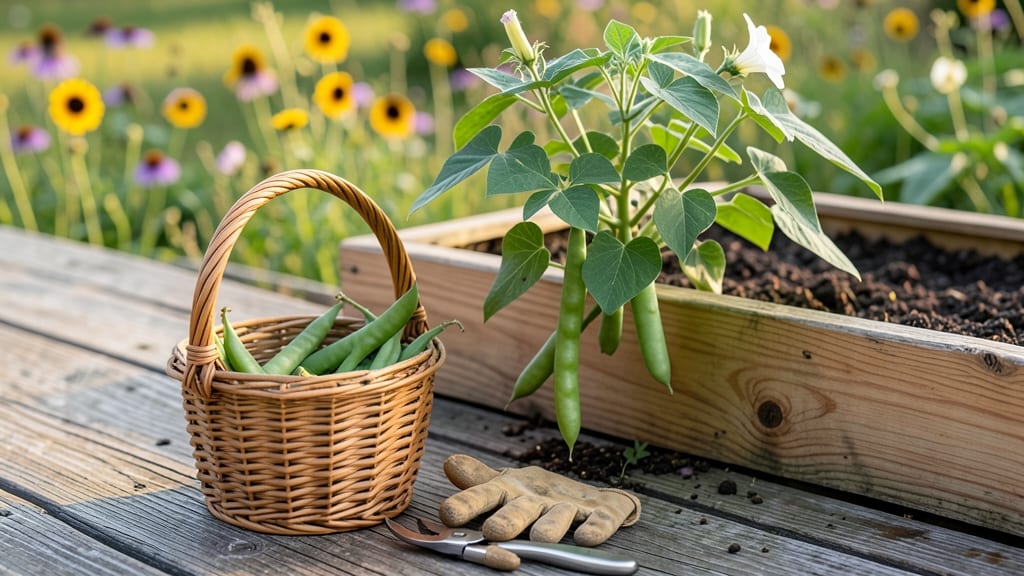
How to know when bush beans are ready to harvest can mean the difference between a crisp, flavorful harvest and tough, stringy pods. If you've ever wondered why some beans taste amazing while others fall flat, the answer lies in timing—and it's easier than you think.
I've tested the best methods over the years, and there's one simple trick that works every time: the snap test. When you bend a pod and hear a clean break, that's your cue to harvest.
But size and color matter too—we'll cover all the visual clues so you never miss peak freshness again.
Harvesting at the right moment doesn't just improve taste—it boosts your garden's productivity. Learn how to spot the perfect pod, when to pick for continuous yield, and how seasonal changes affect timing in USDA Zone 6a and beyond.
Ready to go from guessing to harvesting like a pro? Let's dive into the foolproof way to tell when your bush beans are ready—so you can enjoy that garden-fresh flavor all season long.
The snap test method: how to check bean maturity with a simple sound
Harvesting bush beans at the perfect moment starts with the snap test, a foolproof method gardeners use for decades. When you gently bend a pod and hear a crisp snap, it signals peak maturity—crisp texture and maximum flavor.
This test works for all bush bean varieties, from Blue Lake to Roma, and helps avoid the tough, stringy pods that develop when beans overripe.
To perform the test, pinch a pod between your thumb and forefinger, about 1 inch from the stem. Apply gentle pressure while bending it away from the plant. A loud, sharp snap means it's ready to pick.
If it bends without snapping or makes a dull sound, wait 1-2 days before testing again. This method prevents damaging the plant if done carefully near the stem.
Many gardeners skip the snap test because they fear hurting the plant, but when done correctly, it’s harmless to the bush. Focus on pods near the middle of the plant, where new growth is most active.
Avoid testing pods at the very top or bottom, as these may not be at uniform maturity. For large harvests, test 3-5 pods from different branches to confirm readiness across the plant.
Listen for the high-pitched snap that indicates tender beans. A low, hollow sound means the pod is overmature, while a soft bend without snapping signals it’s still too young. Pro tip: Test pods in the morning after watering, when they’re at their crispest.
This timing also helps you avoid missing the harvest window during hot afternoons when pods can dry out faster.
If you’re new to the snap test, practice with 3-4 pods to train your ear. Over time, you’ll recognize the ideal snap instantly. For purple or wax varieties, the snap test still applies, though color changes (like fading purple) can also signal overripeness.
Always harvest with a sharp pair of pruners or your fingers to avoid tearing the stem and damaging future pods.
One common mistake is testing pods that are too close to the stem, which can snap prematurely due to the plant’s natural flexibility. Instead, focus on the middle section of the pod, where the snap test is most reliable.
This area also gives the most accurate reading of the pod’s internal tenderness. For bush beans, this middle section is typically 2-4 inches from the stem.
For gardeners in hot climates, pods may mature faster, so test them every morning during peak season. In cooler areas, a 2-day testing interval often suffices. The snap test is especially valuable for heirloom varieties, which can vary widely in size and texture.
Always pair this method with a visual check of pod size and color for the most accurate results.
Once you master the snap test, you’ll never again pick beans that are too tough or stringy. This method ensures your harvest stays crisp, sweet, and full of flavor, while also encouraging your bush beans to produce more pods.
With practice, you’ll develop an instinct for the perfect snap—making your garden’s harvest season a breeze.
Remember, the snap test is just one tool in your harvesting toolkit. Combine it with visual cues (like pod size and color) and seasonal timing for the most reliable results. Soon, you’ll be harvesting bush beans like a pro, with pods that are always at their peak!
Bush bean size and color guide: exact measurements for perfect harvest timing
Knowing the exact size and color cues for bush beans ensures you pick them at peak flavor. Most varieties reach harvest readiness when pods measure between 4 to 6 inches long—this is the sweet spot for tenderness and crispness.
Smaller pods (under 3 inches) are still developing, while larger ones become tough and stringy.
Pod color variations also signal maturity. Classic green beans should have a vibrant, even hue, while heirloom varieties like Purple Majesty or Wax beans may appear bluish-purple or creamy white. Avoid pods with yellowing tips or wrinkled textures, as these indicate overripeness.
| Variety | Ideal Size (inches) | Pod Color | Harvest Window |
|---|---|---|---|
| Blue Lake | 4–5 inches | Bright green | 50–55 days |
| Roma | 5–6 inches | Dark green | 55–60 days |
| Purple Majesty | 4–5 inches | Purple | 50–55 days |
| Wax Beans | 5–6 inches | Creamy white | 55–60 days |
For dwarf varieties like Blue Lake, aim for 4–5 inches—these pods are delicate and best picked young. In contrast, Roma beans can handle slightly larger sizes (up to 6 inches) while maintaining flavor. Always check the seed packet for variety-specific guidelines, as some heirlooms mature faster.
Pay attention to the pod’s firmness too. A ready-to-harvest bean should yield slightly when gently pressed with your thumb—like a ripe avocado. If it feels rock-hard, it’s underripe; if it’s soft or wrinkled, it’s past its prime. This tactile check is your backup when visual cues are unclear.
Harvesting at the right size isn’t just about taste—it also boosts plant productivity. When you pick beans regularly, the plant redirects energy to producing more pods instead of letting them overripe. Skipping harvests can lead to bitter, fibrous beans and even reduce future yields.
Pro tip: Use a small pruning shears or your fingers to snap pods cleanly at the stem. Avoid tugging, which can damage the plant. For bush beans, check plants every 2–3 days during peak season to stay ahead of overripeness.