
How To
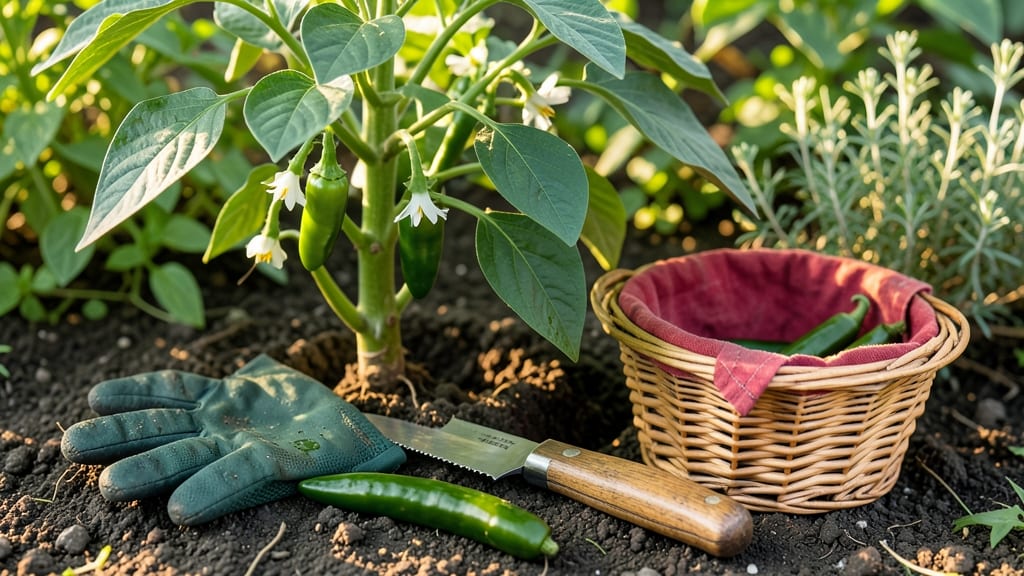
How to know when to pick a jalapeño can turn a good harvest into an amazing one—or leave you with bland, underripe peppers that lack that signature kick. The difference often comes down to color, texture, and a few subtle clues most gardeners miss.
If you’ve ever plucked a pepper too early and ended up with a meal that’s more mild than mouth-on-fire, you know the frustration. Jalapeños 🌶️ go through distinct stages of ripeness, each offering a different flavor profile and heat level.
The key is learning to read these visual and physical cues before they transform into something entirely different.
In this guide, I’ll walk you through the three color-coded stages of jalapeño ripeness—from deep green to vibrant red—and the exact moment each is perfect for picking. You’ll also discover how to test firmness, check the stem, and even taste-test (safely!) to ensure you’re harvesting at peak flavor.
Whether you’re growing jalapeños in Zone 6a or just starting your spring garden, these tips will help you avoid common mistakes and maximize your harvest from July through October. Let’s get started.
3 Color-coded stages of jalapeno ripeness (and when to harvest each)
Jalapeños aren’t one-size-fits-all when it comes to harvest time. Their color, size, and heat level change dramatically as they ripen, giving you three distinct stages to target. Each stage offers a unique flavor profile—from grassy and mild to sweet and fiery.
Most gardeners focus on the green stage, but waiting for red jalapeños unlocks a whole new level of complexity. The key? Learning to read the subtle visual cues that signal readiness. Let’s break down each stage with harvest timing, ideal uses, and what to watch for.
🌱 Visual Cue Tip: Always harvest in the morning when peppers are cool and crisp. This ensures the best flavor and texture, plus it reduces stress on the plant.
| Stage | Color | Size | Heat Level | Best For | Harvest Time |
|---|---|---|---|---|---|
| Green | Deep glossy green | 3-5 inches | 2,500-8,000 SHU | Cooking, pickling, salsas | 60-75 days after transplant |
| Light Green/Yellowing | Pale green with yellow tips | 4-6 inches | 5,000-10,000 SHU | Fresh eating, grilling | 75-85 days after transplant |
| Red | Bright red | 5-7 inches | 8,000-15,000 SHU | Fresh salsas, raw dishes | 85-90 days after transplant |
The green stage is where most home gardeners start. These peppers are firm, glossy, and packed with grassy, slightly tangy flavors. They’re perfect for pickling or cooking, where their heat (typically 2,500-5,000 SHU) blends seamlessly into dishes.
If you’re growing jalapeños for fresh eating, wait for the light green/yellowing stage. This is when the pepper’s heat intensifies (hitting 5,000-8,000 SHU) and its sweetness peaks.
The skin may develop a slight waxy texture, and the stem will start to darken—a sure sign it’s nearing its sweetest point.
For the boldest flavor, let jalapeños ripen fully to red. These peppers are sweeter, juicier, and carry the highest heat levels (8,000-15,000 SHU). They’re ideal for raw salsas or grilling, where their complex flavor shines.
However, red jalapeños are more delicate and should be harvested quickly once they reach this stage.
🌡️ Pro Tip: Temperature affects ripening speed. In hot climates (90°F+), jalapeños may ripen faster, while cooler weather (70°F) slows the process. Adjust your harvest schedule accordingly to avoid missing the sweet spot.
One common mistake is picking jalapeños based solely on size. A 5-inch pepper isn’t necessarily ripe—it could still be hard or bitter. Always check for color changes, stem darkening, and skin texture before harvesting.
Ignoring these cues can lead to underripe peppers that lack flavor and heat.
Harvesting at the right stage also encourages more production. When you pick peppers regularly, the plant focuses its energy on producing new flowers and fruit, rather than over-maturing existing ones. This means a longer harvest season and a higher yield throughout the growing period.
3 Color-coded stages of jalapeno ripeness (and when to harvest each)
Jalapeños go through three distinct ripeness stages, each offering unique flavors and heat levels. Understanding these stages helps you decide when to harvest for the best flavor, heat, and texture. The color of your jalapeño is your first clue—don’t miss these key transitions!
First, there’s the green stage, where peppers are firm, glossy, and packed with mild heat. This is the most common harvest time for cooking uses. Then comes the light green/yellow stage, signaling slightly sweeter flavors and a slight heat boost.
Finally, the red stage delivers the boldest heat and fruity notes, perfect for fresh eating.
Jalapeño Ripeness Stages
| Stage | Color | Size | Heat Level | Best For |
|---|---|---|---|---|
| Green | Deep green | 3-5 inches | Moderate (2,500-5,000 SHU) | Cooking, pickling |
| Light Green/Yellow | Yellowing tips | 4-6 inches | Increased (5,000-8,000 SHU) | Salsas, fresh eating |
| Red | Bright red | 5-7 inches | Bold (8,000+ SHU) | Fresh, spice blends |
Note: Heat levels (SHU) vary by variety and growing conditions.
For maximum heat, harvest at the green stage—this is when capsaicin, the compound responsible for spiciness, peaks. However, if you prefer a sweeter, fruitier flavor, let them ripen to red. The transition from green to red can take 2-4 weeks, depending on your climate.
Pro tip: Check for a glossy skin and a slight give when gently squeezed. If the pepper feels too firm or the skin is dull, it’s not ready yet. Overripe jalapeños lose heat and develop a mealy texture, so timing is everything!
Climate plays a role too. In hotter regions, jalapeños may ripen faster, while cooler areas might see slower color changes. Monitor your plants closely to avoid missing the perfect harvest window.
Remember, you can always pick jalapeños at any stage—they’ll just taste different. But for that perfect heat-to-flavor balance, aim for deep green or light green/yellow peppers. Happy harvesting!