
How To
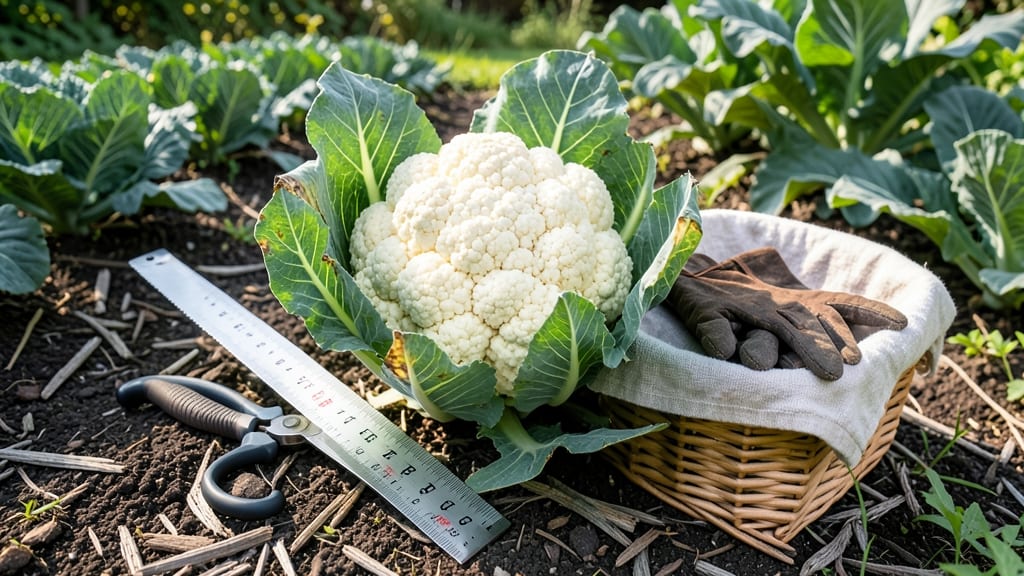
Knowing how to know when to pick cauliflower can mean the difference between a tender, flavorful harvest and a bitter, woody disappointment. That perfect moment arrives when your 🥬 reaches its peak—firm, compact, and just the right size—but spotting it takes practice.
Most gardeners wait 70-100 days after planting before checking for readiness, but timing isn’t just about days. The real clues lie in the curd’s color, size, and the way the stem feels when you give it a gentle twist.
Miss these signs, and you risk harvesting too early (small, underdeveloped heads) or too late (bitter florets that split open).
In cooler spring weather—ideal for USDA Zone 6a—cauliflower thrives when picked in June through August. But don’t rely on the calendar alone. The outer leaves yellowing, a creamy white curd, and a firm stem are your best friends.
Let me show you exactly what to look for so you never miss the window again.
Whether you’re a first-time gardener or a seasoned pro, mastering these cues will ensure your 🥬 stays sweet, crisp, and ready for the table. Ready to learn the foolproof way to test ripeness? Let’s dive in.
3 Key signs your cauliflower is ready to harvest
Cauliflower thrives when harvested at its peak, but knowing exactly when to pick cauliflower can be tricky. The difference between a tender, flavorful head and a tough, bitter one often comes down to three key indicators: curd color, size, and stem firmness.
Let’s break down what to look for and how to avoid common mistakes.
First, pay attention to the curd color. A perfectly ripe cauliflower head should be a vibrant, creamy white or the specific shade of your variety (like purple for Romanesco or orange for certain heirlooms).
If the curd starts turning yellow or brown, it’s past its prime and may develop a bitter taste. This color change is your first warning sign that harvest time is approaching.
Next, check the size of the curd. Most cauliflower varieties reach maturity when the head is between 6 to 8 inches in diameter. If it’s smaller, the florets may be underdeveloped and loose.
On the other hand, if the head grows much larger, the center may start to split or turn woody. Timing is everything—don’t let it get too big!
Finally, test the stem firmness near the base of the curd. Gently twist the stem while holding the head. If it snaps cleanly with a slight resistance, the cauliflower is ready.
If the stem bends or feels mushy, it’s not quite time. This simple test is one of the most reliable ways to determine ripeness without guessing.
Mature vs. Overripe Cauliflower: What to Watch For
| Sign | Mature Cauliflower | Overripe Cauliflower |
|---|---|---|
| Curd Color | Creamy white or variety-specific shade | Yellowing or browning |
| Size | 6-8 inches in diameter | Larger than 8 inches or splitting |
| Stem Firmness | Firm with slight resistance when twisted | Mushy or easily pulled from stem |
| Outer Leaves | Starting to yellow and wilt | Fully brown and crispy |
| Floret Texture | Tightly packed and firm | Loose or woody |
Another visual clue to watch for is the outer leaves. As the cauliflower matures, the leaves surrounding the head will begin to yellow and die back naturally. This is a clear sign that the head is nearing harvest readiness.
However, if the leaves turn completely brown and crispy, the cauliflower may have been left too long on the plant.
For purple or orange varieties, the color change is even more dramatic. The outer leaves may turn brown, but the curd itself should remain vibrant. If the color starts fading from the center outward, it’s time to harvest immediately to preserve flavor and texture.
Don’t forget to check for secondary heads. Some cauliflower varieties produce multiple smaller heads after the main curd is harvested. These side shoots often mature a few weeks later and can be harvested using the same guidelines. Keep an eye on your plants—you might get a second harvest!
If you’re growing cauliflower in cooler climates, timing your harvest for late spring or early fall can yield the sweetest results. Cooler temperatures enhance flavor, while hot summer days can cause the curds to bolt or become bitter.
Always aim to harvest before the first signs of heat stress appear.
Finally, use a sharp knife or pruning shears to cut the stem about 1 inch below the curd. Avoid pulling the head off, as this can damage the plant and leave it vulnerable to pests or disease.
After harvesting, store your cauliflower in the refrigerator for up to a week to maintain freshness.
Mastering these 3 key signs will ensure you always pick cauliflower at its peak—delicious, tender, and ready for your favorite recipes. Happy harvesting! 🌱🥬
3 Key signs your cauliflower is ready to harvest
Knowing when to harvest your cauliflower comes down to three key visual and tactile cues: curd color, head size, and stem firmness. These signs ensure you pick your crop at its peak flavor and tenderness.
Let’s break down what to look for to avoid common mistakes like harvesting too early or too late.
First, examine the curd color. Mature cauliflower should be a vibrant creamy white (or the specific shade of your variety, like purple or orange). If you see yellowing or browning on the florets, it’s a sign the head is overripe.
This color change indicates the plant is shifting energy away from the curd, leading to a bitter taste and tough texture.
Next, check the head size. A fully grown cauliflower head typically measures 6 to 8 inches in diameter. If your head is smaller, it’s likely still developing.
Conversely, if it exceeds 8 inches, the florets may start to split or open, which is a clear sign it’s past its prime. Varieties like Snowball or Romanesco have distinct size targets, so always refer to your seed packet for specifics.
| Sign | Mature Cauliflower | Overripe Cauliflower |
|---|---|---|
| Curd Color | Creamy white or variety-specific shade | Yellowing or browning florets |
| Head Size | 6-8 inches in diameter | Exceeds 8 inches; florets may split |
| Outer Leaves | Beginning to yellow and wilt | Fully browned or dying back |
| Stem Firmness | Firm and slightly woody | Soft or hollow when twisted |
Finally, perform the stem firmness test. Gently twist the stem near the base of the head. If it snaps cleanly with a slight resistance, your cauliflower is ready.
A soft or hollow stem means the head is overripe, while a stem that doesn’t twist easily suggests it’s not yet mature. This test is especially useful for varieties prone to premature bolting or splitting.
Pay attention to the outer leaves as well. When they begin to yellow and wilt naturally, it’s a strong indicator that the curd is nearing maturity. However, if the leaves are still fully green and healthy, the head likely needs more time to develop.
This is a subtle but critical cue that many gardeners overlook.
Harvesting at the right time ensures your cauliflower is tender, flavorful, and free of bitterness. Keep these three signs in mind—color, size, and stem firmness—and you’ll never miss the perfect window again.
Once you’ve confirmed readiness, use a sharp knife to cut the stem about 1 inch below the curd for a clean harvest.