
How To
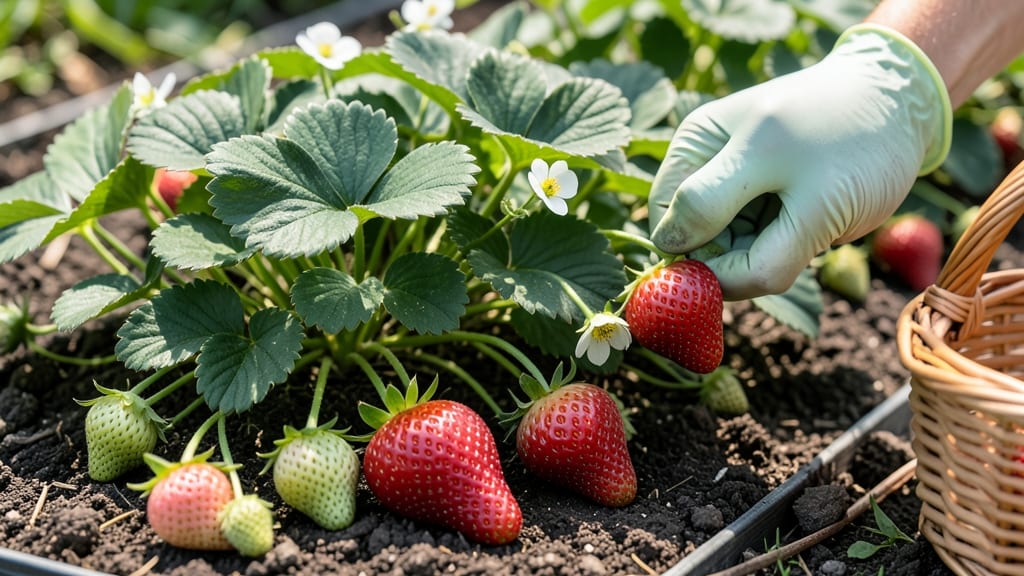
How to know when to pick a strawberry is the secret to turning your garden's 🍓 harvest into sweet, juicy perfection—or ending up with bland, seedy disappointment. The difference between these two outcomes often comes down to a few simple visual and tactile cues that most gardeners overlook.
I’ve spent years testing the best ways to spot ripe strawberries, and the key isn’t just waiting for them to turn red. You’ll learn how to check for firmness, color consistency, and even the right time of day to harvest for maximum flavor.
These small details make all the difference in taste and texture.
In Zone 6a, where spring turns into summer, strawberries typically reach peak ripeness between June and July. But knowing exactly when to pick—before they’re overripe or still too tart—can be tricky.
I’ll walk you through the exact steps to avoid common mistakes and ensure every berry you pick is at its best.
Ready to transform your strawberry harvest? Let’s dive into the 5 foolproof cues that guarantee you’ll pick strawberries at their sweetest, juiciest moment—every single time.


5 Key color and size indicators for perfect strawberry ripeness
Strawberries ripen quickly, and their color and size are your best clues for timing harvests. A fully red berry (or the correct variety color) signals readiness, but not all strawberries follow the same rules.
June-bearing types, like Jewel or Chandler, ripen uniformly, while everbearing varieties like Albion or Seascape may produce staggered harvests. Paying attention to these visual cues ensures you pick berries at peak sweetness.
For most red strawberries, the ideal color is a deep, even red with no green at all. Some heirloom varieties, like Pink Panda, will have a soft pink hue instead.
The size threshold also matters—fully ripe strawberries reach their variety-specific size, typically around 1 to 2 inches in diameter. Smaller berries often lack flavor, while oversized ones may be past their prime.
Use this summary-table to compare key ripeness indicators by strawberry type, helping you avoid underripe or overripe mistakes.
| Variety Type | Ideal Color | Size (Diameter) | Ripeness Notes |
|---|---|---|---|
| June-bearing (e.g., Chandler, Jewel) | Deep red, no green | 1.5–2 inches | Uniform ripening; harvest all at once |
| Everbearing (e.g., Albion, Seascape) | Red or pink (varies by type) | 1–1.5 inches | Staggered harvests; check weekly |
| Day-neutral (e.g., Ozark Beauty) | Bright red | 1–1.5 inches | Continuous production; harvest as they ripen |
| Heirloom (e.g., Pink Panda, Black Diamond) | Pink, black, or deep burgundy | 1–2 inches | Unique colors; rely on texture/aroma |
When checking strawberries, always look for uniformity in color. A berry with uneven red patches or lingering green may not be fully ripe. For white or pale varieties, like White Soul, ripeness is signaled by a creamy white hue and slight softness.
Size also matters—oversized strawberries often split or lose flavor, while small berries may still be firm and tart.
Another pro tip: Compare berries side by side. Place a ripe and unripe strawberry next to each other to spot the subtle differences in color intensity and shape.
This visual comparison helps you train your eye to recognize the perfect moment to harvest. If you’re unsure, wait 24 hours—strawberries don’t ripen further after picking!
For June-bearing varieties, timing is critical because they produce one massive harvest in late spring to early summer. Miss the window, and you’ll be left with small, seedy berries or none at all.
Meanwhile, everbearing and day-neutral types offer multiple harvests throughout the season, making them ideal for extended fresh strawberry supply.
Don’t overlook the calyx (the green leafy top) as a ripeness clue. A ripe strawberry’s calyx should lift slightly when gently tugged, indicating the berry is ready to detach.
If it resists, the strawberry needs more time. This gentle tug test is especially useful for clustered berries, where some may ripen faster than others.
Finally, seasonal variations can affect ripeness. In cooler climates, strawberries may take longer to ripen, while hot, sunny weather can speed up the process. Always adjust your harvest timing based on local conditions.
If you’re in a short growing season, prioritize picking the ripest berries first to extend your harvest window.
Mastering these color and size cues ensures you’ll always harvest strawberries at their peak flavor and texture. Once you’ve nailed the visual clues, the next step is texture and flavor tests—but that’s a topic for the next section! 🍓
5 Key color and size indicators for perfect strawberry ripeness
Strawberries ripen quickly, so knowing the exact visual cues saves you from picking too early or too late. The color shift from green to red (or the variety’s mature hue) is your first clue.
For example, June-bearing varieties like Jewel turn deep red, while everbearing types like Seascape may stay lighter pink.
Size matters too—ripe strawberries reach 75% of their final size before turning color. A fully ripe berry should feel plump but slightly yielding when gently squeezed, not rock-hard or mushy. Varieties like Albion stay smaller (about 1 inch wide) while Chandler grows larger (up to 2 inches).
🌱 Strawberry Ripeness Guide
| Cue | June-Bearing | Everbearing |
|---|---|---|
| Color | Deep red (no green) | Pink-red (varies by type) |
| Size | 1.5–2 inches wide | 1–1.5 inches wide |
| Texture | Slightly soft, glossy | Firm but yielding |
| Aroma | Sweet, fragrant | Mildly sweet |
✅ Pro Tip: Check berries daily during peak season—ripe strawberries won’t last long on the plant!
Don’t overlook the cap (hull)—it should stay green and slightly crisp, not brown or wilted. A dry, papery cap signals overripeness, while a bright green cap means the berry is still firming up. For white varieties like White Soul, look for a creamy yellow hue instead of red.
Watch for uniform color across the entire berry. If one side stays green or pale, it’s not ready yet. Uneven ripening often happens in shady spots or when plants are underwatered. Move your plants to full sun (6+ hours daily) to encourage even ripening and sweeter flavor.
Finally, size consistency within a variety matters. For example, Chandler strawberries should be 1.5–2 inches wide at full ripeness, while Albion stays smaller (1 inch). Compare berries side by side—if most are 75%+ their expected size and colored, it’s harvest time.
Timing is everything! June-bearing varieties ripen all at once in late spring, while everbearing types produce 3 crops per year. Mark your calendar for peak harvest windows to avoid missing the sweetest berries.