
How To
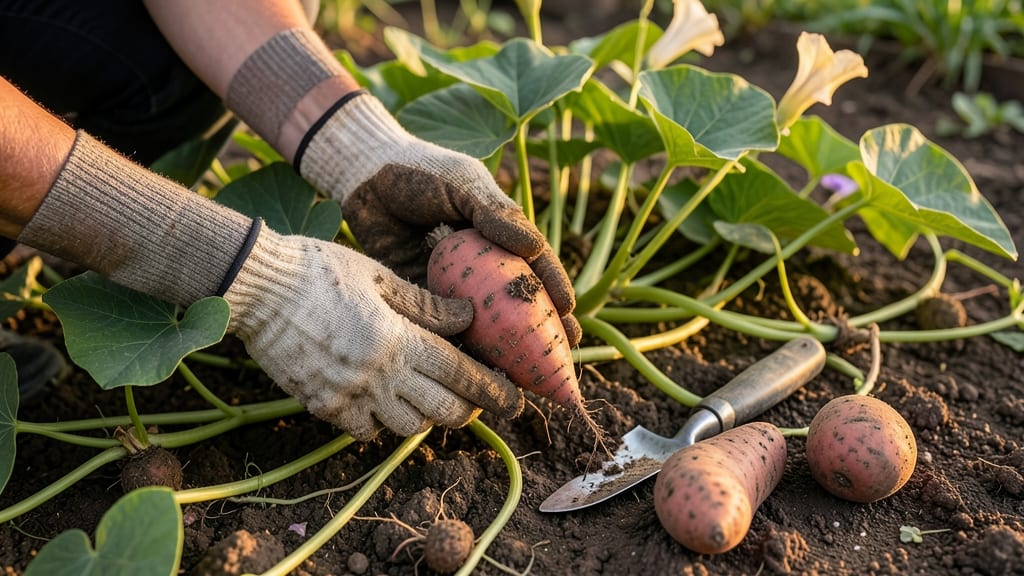
How to know when to pick sweet potatoes is the secret to unlocking a harvest of perfectly sweet, velvety tubers—rather than bland, underdeveloped ones that never reach their full potential.
Most gardeners wait too long, letting the tubers turn starchy and lose their natural sweetness. But harvesting too early means small, underdeveloped potatoes that lack flavor. The key is learning the subtle signs—like leaf color changes and skin firmness—that tell you the moment is right.
In this guide, I’ll walk you through the finger-press test and other foolproof methods to determine ripeness, so you never miss the window. Whether you’re a first-time grower or a seasoned gardener, these tips will help you harvest at peak sweetness every time.
From checking soil conditions to understanding seasonal variations, you’ll gain the confidence to pick your sweet potatoes at the exact right moment—ensuring a harvest that’s richer, sweeter, and more satisfying than ever before.
The finger-press test: how to check sweet potato ripeness before digging
Determining the perfect time to harvest sweet potatoes relies on a simple but effective trick: the finger-press test. This tactile method helps you gauge tuber maturity without digging up every plant.
By learning to read your sweet potatoes' readiness through touch, you'll avoid the common mistakes of harvesting too early (bland tubers) or too late (starchy, less sweet flavors).
The finger-press test works by assessing the skin's resistance to pressure. When tubers are ready, their skin becomes thick and firm enough to resist your thumbnail's pressure. This method is especially useful in late summer when vines start yellowing but before a hard frost arrives.
I've found this technique saves time and ensures a consistent harvest every year.
Here’s how to perform the test correctly: press your thumbnail firmly against the tuber's skin. If it doesn’t dent and feels resistant, the sweet potato is ready. If the skin gives way easily, wait a few more days.
This method works best when soil temperatures are between 60-85°F, the ideal range for sweet potato growth.
Gently brush back the soil near the plant's base to expose a medium-sized tuber (3-6 inches long). Avoid the smallest ones—they may not be mature.
Press your thumbnail firmly against the tuber's skin. If it doesn’t dent, the tuber is ready. If it leaves a mark, wait 3-5 more days.
Look for yellowing leaves and wilting vines, a sign the plant is redirecting energy to the tubers. This often aligns with peak ripeness.
Repeat the test on 2-3 tubers per plant to confirm consistency. Some varieties (like Beauregard) ripen faster than others (like Georgia Jet).
Harvest on a dry, sunny day when soil is slightly dry. Avoid digging after rain, as wet soil can damage tubers.
Seasonal variations play a role in ripeness timing. In cooler climates (USDA Zones 6-8), sweet potatoes may take closer to 120-140 days to reach maturity, while warmer zones (Zones 9-10) can harvest in as few as 90-110 days.
Always adjust your expectations based on your local last frost date and growing season length.
Environmental factors like soil moisture and temperature also influence ripeness. Overly wet soil can delay maturation, while dry spells may speed it up. I’ve noticed that sweet potatoes grown in well-draining, sandy loam tend to ripen more evenly than those in clay-heavy soil.
Mulching with straw helps maintain consistent moisture levels, which is key for predictable harvest times.
Pro tip: If you're unsure about ripeness, you can cut back the vines about 2 weeks before your expected harvest date. This forces the plant to focus its energy on tuber development, often resulting in sweeter, more mature potatoes.
Just be sure to leave enough foliage to protect the tubers from direct sunlight, which can cause greening (and potential toxicity).
Once you’ve mastered the finger-press test, you’ll never again guess whether your sweet potatoes are ready. This method is foolproof for home gardeners and even works for container-grown sweet potatoes. The key is patience—waiting for that perfect resistance ensures tubers that are sweet, firm, and full of flavor.
For those growing sweet potatoes in shorter seasons, consider using black plastic mulch to extend the growing period. This simple trick can add 2-3 weeks to your harvest window, giving tubers more time to mature. Combine it with the finger-press test, and you’ll maximize your yield every season.
The finger-press test: how to check sweet potato ripeness before digging
Determining the perfect moment to harvest sweet potatoes can feel like guessing, but the finger-press test is my foolproof method. This simple tactile check reveals whether your tubers are ready to dig—or still need time to sweeten.
The test works by evaluating the skin firmness and nail resistance of the tubers, which directly correlate with maturity and sweetness levels.
Start by locating a healthy vine with mature foliage. Gently brush aside the soil to expose the largest tubers, typically 3-6 inches long. Choose tubers that feel substantial but aren’t oversized, as these are prime candidates for the test.
Avoid probing too deeply to prevent damaging smaller, underdeveloped tubers still growing beneath.
Step-by-Step Finger-Press Test
- Step 1: Press your thumbnail firmly into the tuber’s skin. If it dents slightly but doesn’t puncture, it’s likely ready to harvest.
- Step 2: If the skin resists pressure and feels thick and leathery, the tuber is overripe and may be starchy.
- Step 3: When pressed, a ripe tuber will feel firm yet slightly yielding, like a ripe avocado. If it feels soft or mushy, it’s past its prime.
- Step 4: Check the stem end—if it’s dry and corky, the tuber is fully mature. A green stem end means it’s toxic and not yet ready.
- Step 5: For early varieties, test tubers at 90 days after planting. For late varieties, wait until 120-140 days for maximum sweetness.
Pro Tip: Test tubers on a cloudy day when soil is moist—dry conditions can make skins appear firmer than they are.
Environmental factors like temperature and rainfall can affect ripening times. In hot, dry climates, sweet potatoes may mature faster, while cooler, wetter seasons can delay ripening. Always pair the finger-press test with visual cues like yellowing vines and dry soil for the most accurate results.
Once you’ve confirmed ripeness, harvest within 24-48 hours to avoid overripening. Store tubers in a cool, dry place with good airflow to preserve their sweetness and texture. Avoid refrigerating until after they’ve cured for a week at 80-85°F.
Mastering this test ensures you’ll never miss the window for peak sweetness again—just imagine pulling up tubers that are perfectly sweet, firm, and ready for your next meal! 🍠